
Decoding Google’s Latest Ads Update: AI Search and Qualified Future Conversions
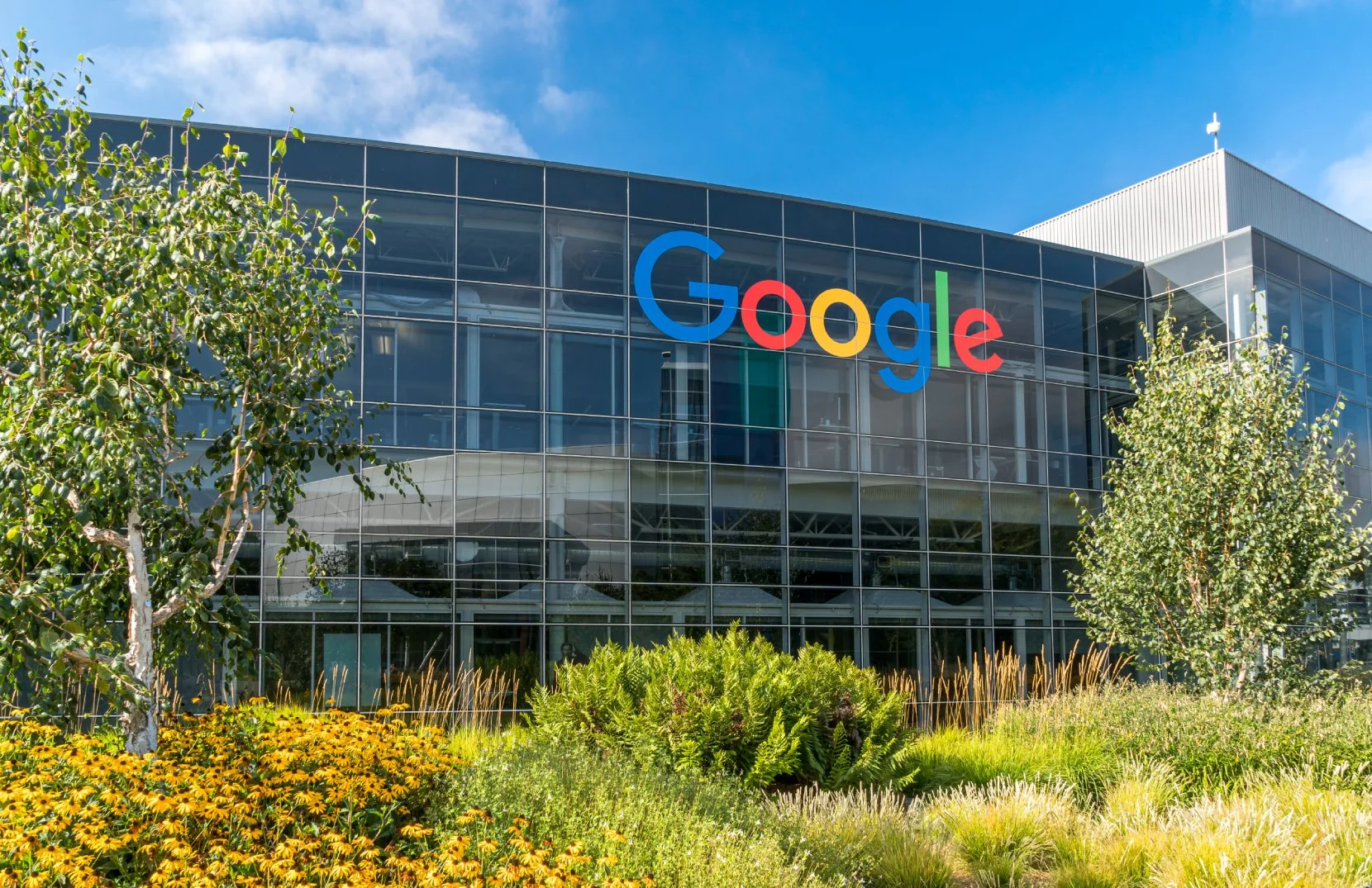
Following the recent Google Marketing Live event, advertisers were left with several burning questions about the future of Google Ads in the generative AI era. To clear the air, Google Ads Liaison Ginny Marvin recently addressed the community to clarify exactly how ads appear in AI Search, what the new Qualified Future Conversions metric actually does, and how brands should approach creator partnerships.
As we navigate the highly competitive digital landscape of mid-2026, understanding these updates is critical for any business relying on paid search. Here is a breakdown of Google’s latest guidance and what it means for your digital marketing strategy.
The New Reality of AI Search Eligibility
One of the most common questions from the digital marketing community was simple: how do advertisers ensure their ads actually show up in AI Overviews and AI Mode?
Marvin’s answer was straightforward. Fundamentally, the eligibility requirements have not changed. To appear in AI Search, advertisers must use Google’s AI-powered targeting solutions. This includes Broad Match, keywordless targeting through AI Max and Performance Max, and Smart Bidding. If your strategy relies entirely on exact-match manual bidding, you are going to miss out on the AI Search inventory.
However, Marvin noted that the relevance bar is significantly higher in AI Search. Because search behavior has become more conversational and multimodal, Google uses the full context of the query and the AI-generated response to determine ad relevance.
To help your ads match this new conversational intent, Google heavily relies on features like text customization and Final URL Expansion. Do not worry about losing total control, though. Advertisers still have access to brand controls, location-of-interest settings, and strict URL exclusions to protect their brand safety.
Bridging the Growth Gap with Qualified Future Conversions (QFC)
Perhaps the most highly anticipated clarification was regarding Qualified Future Conversions (QFC).
Historically, advertisers have struggled with a “growth gap.” Traditional attribution windows simply fail to capture the long-term impact of awareness and demand generation campaigns. According to Google’s data, roughly 70% of conversions from standard search campaigns occur within a 30-day click window. However, for AI-heavy campaigns like Performance Max, that number drops to about 50%. For Demand Gen, it is only 40%.
So, what happens to the users who convert three or four months later?
QFC is Google’s answer. It is a predictive metric designed to estimate conversions occurring up to 180 days after an initial ad interaction. By combining early user signals like branded searches with historical data, QFC forecasts future sales that would otherwise be lost in standard reporting.
It is important to note that QFC is not replacing your existing conversion metrics. It is a supplemental reporting signal designed to help you understand the true, long-term ROI of your upper-funnel marketing efforts.
Rethinking Creator Partnerships
During the update, Marvin also touched on YouTube Creator Partnerships. Many advertisers mistakenly believe that influencer marketing is only for massive consumer brands partnering with celebrities.
Google is actively pushing against this narrow view. Marvin encouraged businesses to look for creators with smaller, highly engaged audiences. This is especially true for niche industries like B2B SaaS and lead generation. Micro-creators often possess much higher trust and conversion rates within their specific communities than broad-reach influencers.
What This Means for Your Business
The overarching theme of Google’s mid-2026 updates is clear. The platform is moving further away from manual keyword control and deeper into intent-based, AI-driven automation.
To succeed, businesses must feed the algorithm the best possible data and trust the machine learning models to find the right users. This requires a flawless website architecture, highly engaging creative assets, and a deep understanding of automated bidding strategies.
If your paid media campaigns are struggling to adapt to these AI updates, it is time to partner with an agency that understands the modern search landscape. At Macroblu, we specialize in building data-driven Google Ads strategies and high-converting websites for businesses across Toronto and beyond.
Contact the Macroblu team today to ensure your digital marketing strategy is fully optimized for the generative AI era.
Let’s build something meaningful.
Strong digital results come from strategy, experience, and thoughtful execution. Get in touch with us to explore how we can turn your marketing efforts into measurable growth and lasting impact.
Get Your Custom Proposal